

Inside the workshop behind every installation
The van that arrives at your property is the visible part of the job. Here is what sits behind it, in a workshop on the outskirts of Kraków.
What gets kept on site, and why
A refrigerant cylinder cannot just sit in a van indefinitely. Storage, handling and disposal are logged according to F-Gas record keeping requirements, and that logging happens here, not on a clipboard in the field.
Refrigerant Handling Log
Cylinders are tracked from delivery through to use and recovery, with quantities recorded against each job for F-Gas compliance purposes.
Spare Parts Inventory
Common components for the fault types we see most often are kept in stock, so a callout does not automatically become a two-visit job.
Calibrated Test Equipment
Pressure gauges, manifold sets and airflow meters are checked against reference equipment on a set schedule rather than left to drift.
Manufacturer Documentation
Installation and service manuals for equipment we support are kept current, particularly for systems still under a service contract.

Instruments drift. We check for it.
Pressure gauges, manifold sets and airflow meters drift out of calibration over time whether or not anyone notices. Ours get checked against reference equipment on a set schedule, because a heat loss calculation is only as good as the site measurements that feed it. A service visit is only as good as the readings taken during it.
This is not something a client typically sees. It happens between jobs, in a corner of the workshop with a logbook next to it.
What F-Gas qualification actually covers
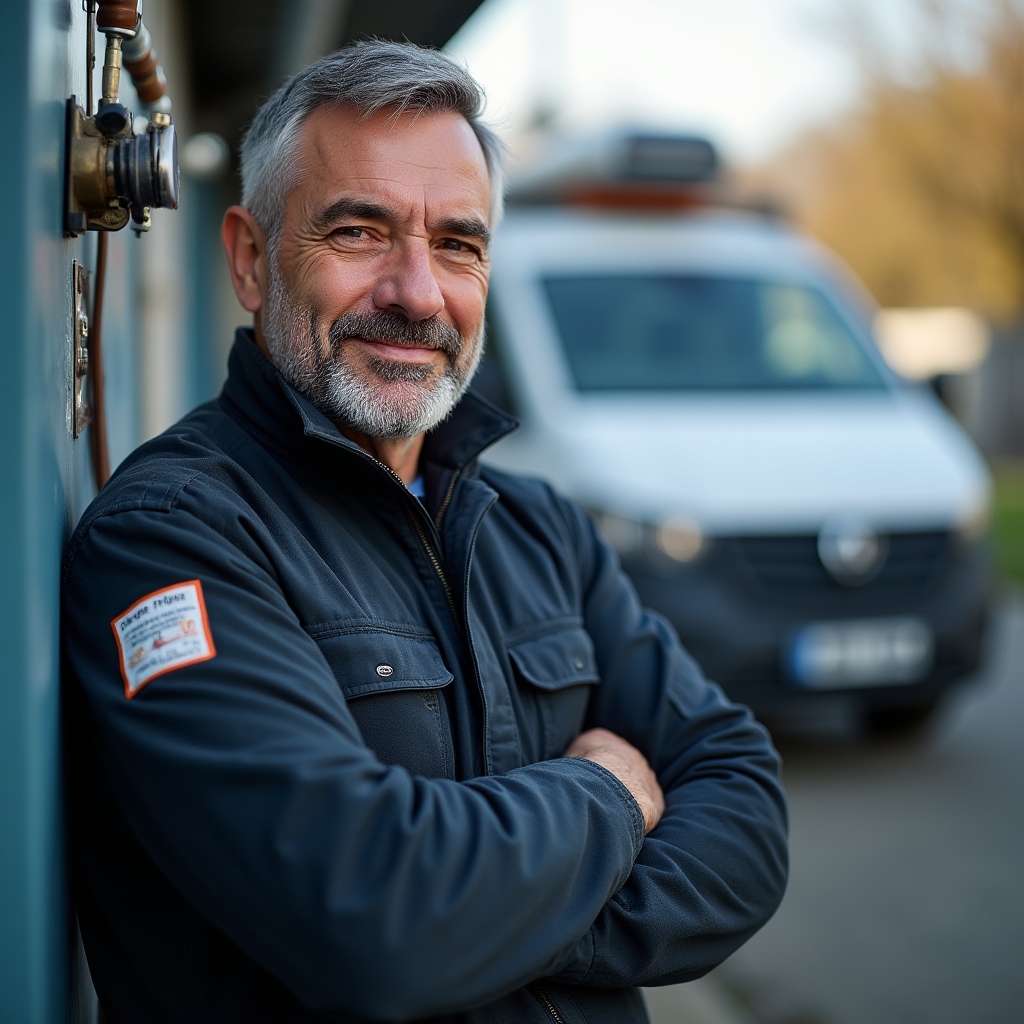
Handling certain refrigerants legally in the European Union requires F-Gas certification, and the specific category depends on the equipment and refrigerant charge involved. Engineers here maintain that certification and keep up with training on newer refrigerants used in current heat pump ranges, including lower global warming potential options.
New engineers shadow an experienced colleague for a defined period before working unsupervised. It slows onboarding down a little. That trade-off is deliberate.
Vans stocked for the job in front of them
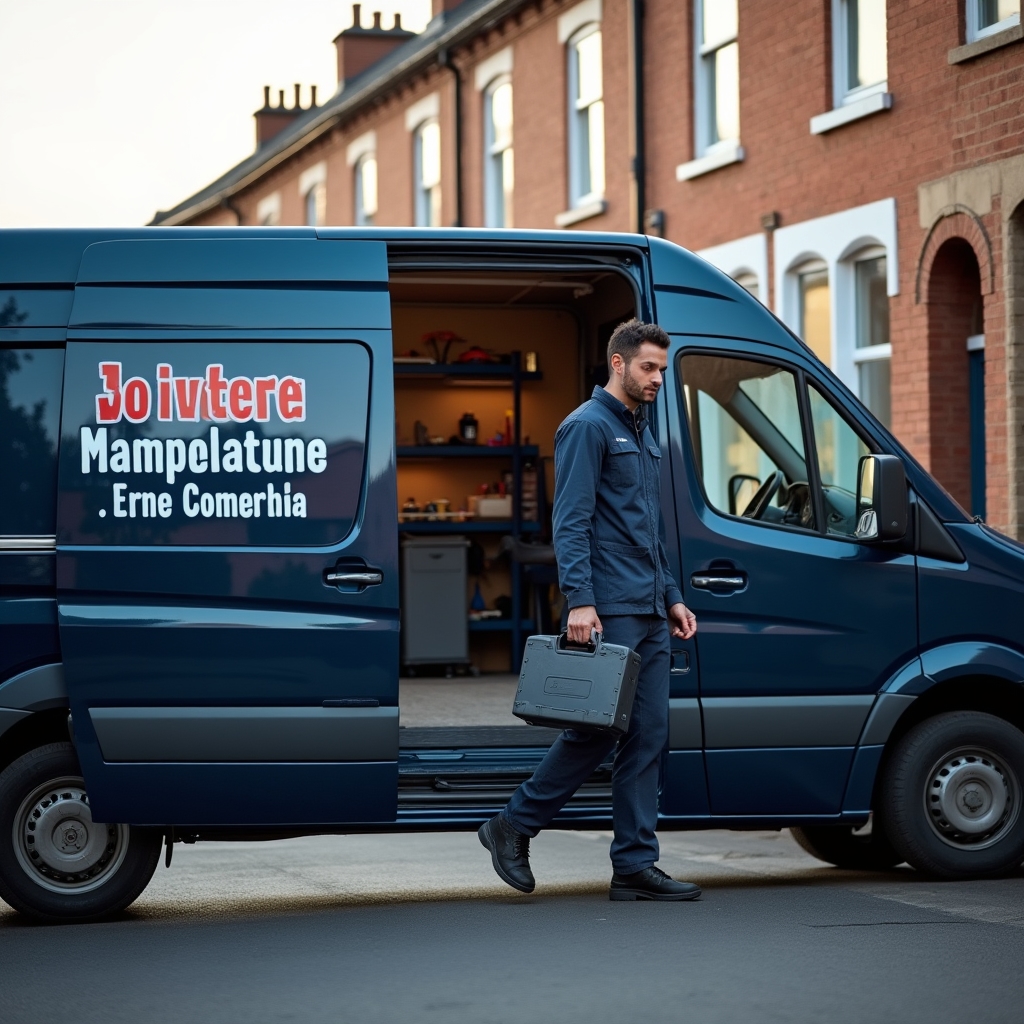
Vans carry a working stock of common parts and filters relevant to the systems in service across Kraków and the surrounding area. For contract holders, this is part of what makes priority scheduling practical rather than just a phrase in a brochure: a callout can often be resolved on the first visit rather than requiring a return trip for a part.
See How a Project Starts